Fantasy Maps
Children
by LearnX Reading
Fantasy Maps
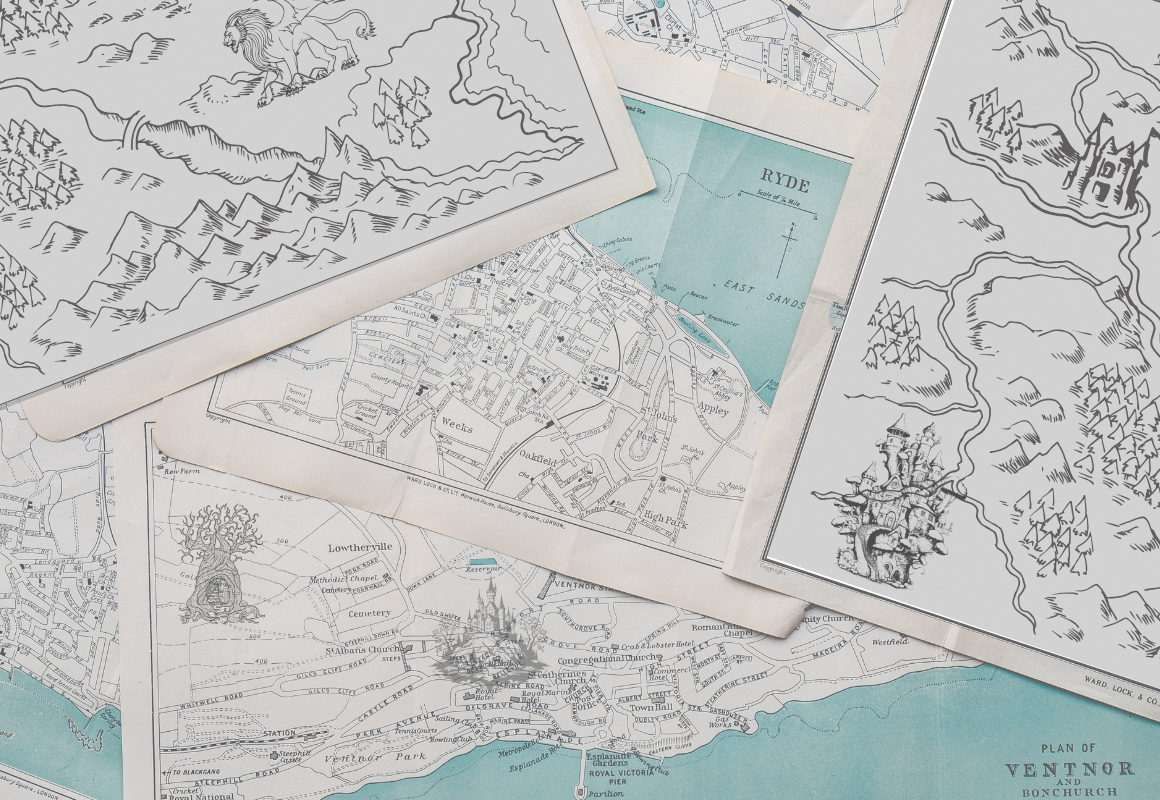
Ever wondered how maps came to be in fantasy books? Or even why some books have maps? Map out amazing and fantastical worlds with us as we dive into the why’s and how’s of fantasy maps…and learn how to make your own map too!
Introduction to Maps
For thousands of years, maps have been used by humans to guide them through unfamiliar territory. During the Middle Ages, ‘Here be dragons’ would be written on maps to indicate areas that were unexplored or unsafe – some older maps even feature drawings of mythical creatures in the seas!
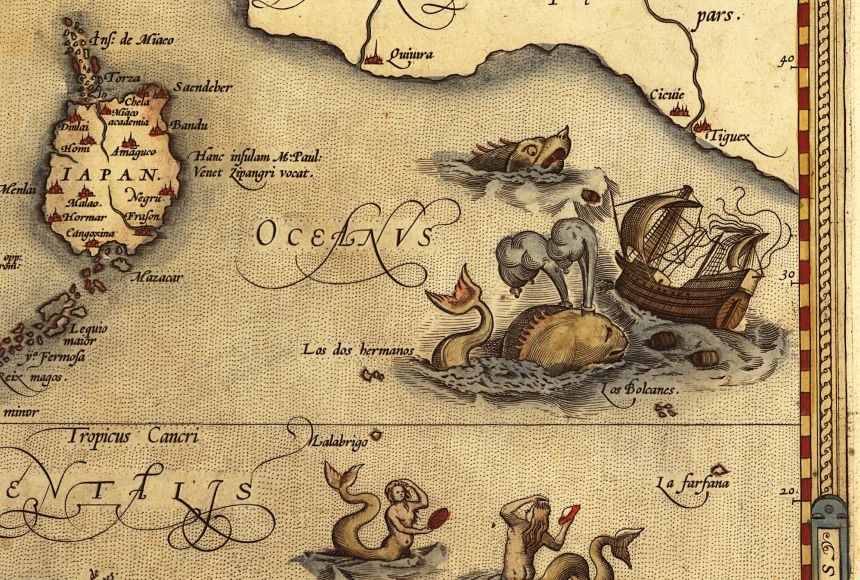
Caption: 1570 Theatrum Orbis Terrarum Map from Here Be Dragons by National Geographic Society; Image originally from the United States Library of Congress.
These maps were painstakingly drawn by hand until a little over 500 years ago, when the invention of the printing press allowed large numbers of maps to be printed and distributed. Over time, collections of maps were put in books called atlases, which were constantly updated as explorers from Europe travelled around the world and learned of different lands.
Older maps become more valuable over time – one of the oldest maps in the world, the Rudimentum Novitiorum, was sold for over S$860,000! Maps have become so valuable that some mapmakers would put fake places onto their maps to trick forgers into copying them, which helped identify forgeries, causing the forgers to go to jail.
Today, we have a lot of different maps to help us get around. Besides online maps like Google Maps, we also have maps focused on specific places and themes, like MRT maps, maps for school campuses, and even constellation maps. These maps can cover the whole world, or just a tiny section of a building. But how do maps relate to fantasy books?
Fantasy Maps
Just as historical maps were used to chart out the unknown, maps in fantasy books help the reader to explore the unknown lands of a fantasy world and better understand the book. These are intended to immerse the reader in the world the author has crafted, especially if the book is about a journey across new lands and worlds.
And even better – unlike many of the old maps we may see today, fantasy maps are often filled with colour, fun names, and small drawings!
What Does a Map Look Like?
Maps are often made in collaboration with the author. This means that the author has a say in how the maps look and feel – which means there is no ‘one size fits all’ map! So long as the map conveys the right information, the map can be as simple or complex as the author and illustrator want it to be. Look at the map below – do you recognise it?
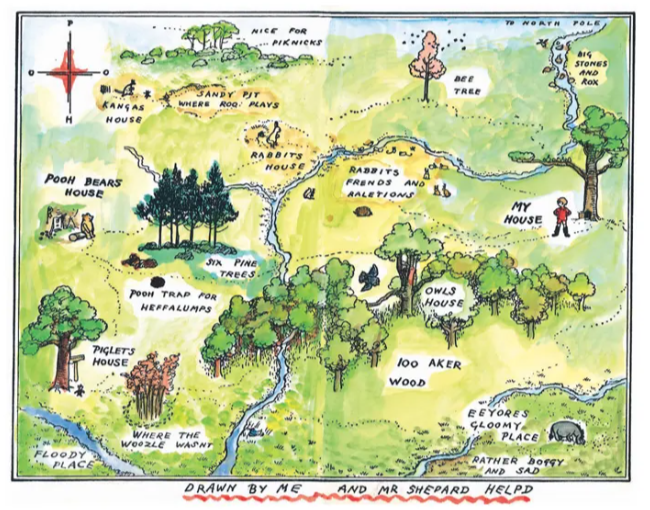
Caption: Hundred Acre Woods from Winnie-the-Pooh by A. A. Milne.
But just as fantasy stories can be a combination of real life and magic, so can fantasy maps! In fact, many authors would base their maps on locations familiar to them. In Cressida Cowell’s How to Train Your Dragon, the map of the Vikings’ Barbaric Archipelago – more specifically, the Isle of Berk – is based on Little Colonsay, an island on the west coast of Scotland where Cowell grew up.
Check out this video to find out more about how Cressida Cowell brings her imagination to life with the use of maps.
Maps and Story Maps
In this video, Cressida Cowell explains how you can start any story with a map. With just one map, you can come up with hundreds of ideas for new stories!
Source: Hachette Children’s Group. (2013). Maps and Story Maps [Video]. Retrieved August 29, 2025, from www.youtube.com/watch?v=pTEMTWwstDc.
Names on a Map
Another important function of fantasy maps are their names. In real life, maps are a very useful source of information about a place’s history. By telling us how building, street, and even country names have changed over time, maps also give us an insight into how different events have caused a change in the peoples and cultures at the time.
This is the same in fantasy maps. The types of pictures and names in the map can tell us a lot about the story’s setting, especially when it takes place in an entirely new world! Look up the the maps from Geronimo Stilton’s The Kingdom of Fantasy as an example.
On the other hand, we also have authors who set their stories in the real world, integrating elements of magic into it. In these maps, the focus isn’t on showing a new, fantasy world. Rather, it is to show how the character and the story’s fantasy elements interact with the real world. In Isle of Ever, we see a map of Suffolk Country in the United States of America; however, the places highlighted are not factual street or building names. The names on the map come from its importance to the character’s journey: ‘Evelyn’s (the main character’s ancestor) House’, Terry Vineyard (the prize in the main character, Benny’s, journey), and ‘Where is the Isle of Ever?’ (which Benny needs to find). Check out the video below to see how the Hundred Acre Wood from Winnie the Pooh is based on real life!
A Trip to Childhood with the Hundred Acre Wood Map
This video introduces A. A. Milne’s Hundred Acre Wood map, the real-life inspiration of the map, and why this map – although not as detailed or scientific – has such a big impact on readers.
Source: Mapster. (2023). A Trip to Childhood with the Hundred Acre Wood Map [Video]. Retrieved July 27, 2025, from www.youtube.com/watch?v=AGjHEAt_xDU.
How to Make Your Own Map
Nowadays, maps are very easy to create! In fact, many people create maps for games like Dungeons and Dragons, where you can let your imagination run wild. Unlike a real map, you don’t have to follow the laws of physics. If you don’t know where to start, just spill beads or uncooked rice onto a piece of paper and trace the overall shape!
Here’s a very good tip by famous fantasy author Orson Scott Card: don’t be afraid of mistakes! He explains how making mistakes could lead to the best ideas – once, when he was making a map, he accidentally blocked off a gate. Instead of trying to fix this, he instead made the gate a magical entrance to a secret city!
And remember: your maps can be as simple as L. Frank Baum’s map in the Tik-Tok of Oz or as detailed as the map in Robert Louis Stevenson’s Treasure Island.
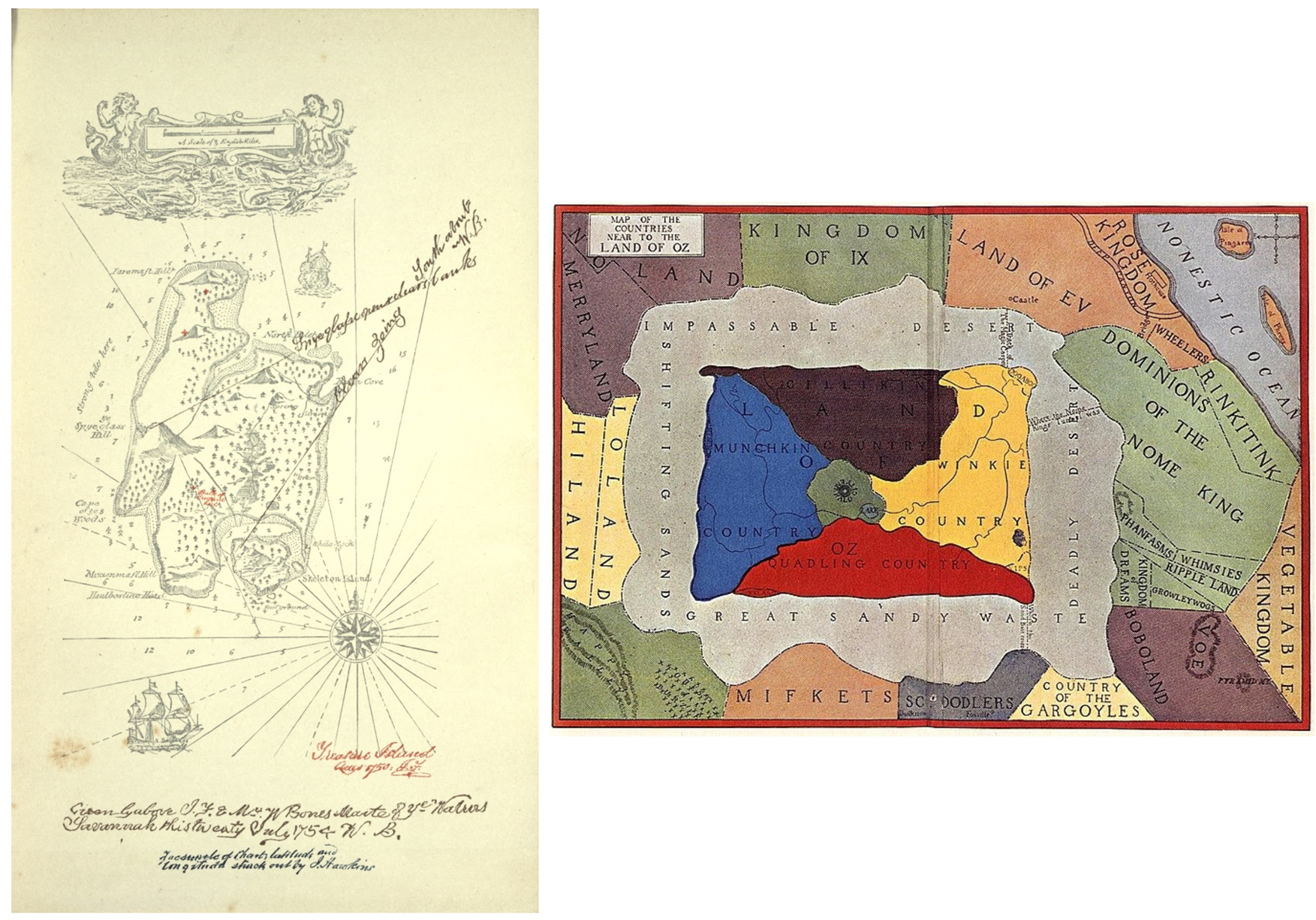
Caption: Map of Treasure Island by Robert Louis Stevenson (left); Map of Oz by L. Frank Baum (right).
It all depends on the story and how the map is used. If the story is focused on a huge battle, then a map of the battlefield will work. If the characters are going on an epic quest, then having a map with all the places that they travel to is a good way for the reader to follow their journey with ease.
Check out the resources below to try your hand at map-making!
You can check out this video here for some good tips:
How to draw a classic fantasy map in 20 minutes
This video shares the basic overview of how to draw a classic fantasy map.
Source: Lord of Maps. (2023). How to draw a classic fantasy map in 20 minutes [Video]. Youtube. Retrieved July 18, 2025, from www.youtube.com/watch?v=sT6iaOGsKSg&t=60s.
Or if you prefer more detailed, step-by-step instructions, then take a look at this website here.
Source: lerigsby12. (n.d.). Draw Your Own Fantasy Maps. Autodesk Instructables. Retrieved July 18, 2025, from www.instructables.com/Draw-Your-Own-Fantasy-Maps/.
Book Recommendations
If you would like to check out some of the maps you’ve seen or to find inspiration for your own map, you can find these titles at the public libraries via the NLB catalogue!
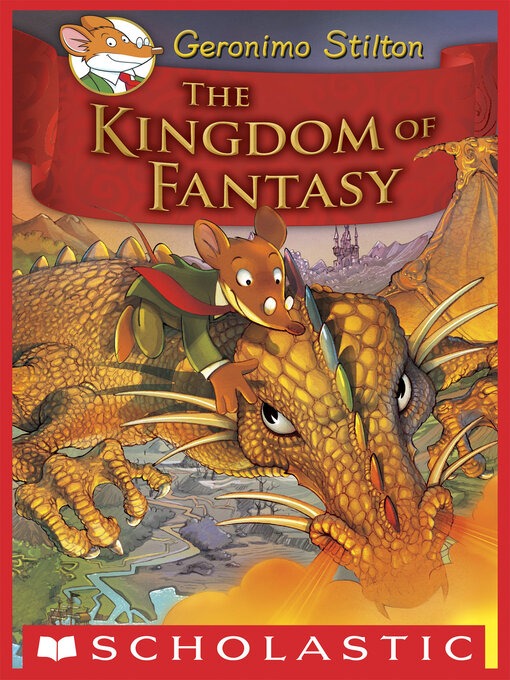
The Kingdom of Fantasy
Author: Geronimo Stilton
Publisher: Scholastic Singapore, 2024
Call No.: JS STI
Available as a physical book and an eBook. (Find them at the public libraries via the NLB catalogue!)
When Geronimo Stilton found a golden staircase in his attic, he never thought it would lead him to the mythical Kingdom of Fantasy! Now, he must join a journey to save the Fairy Queen Blossom while escaping the evil creatures that want to stop him.
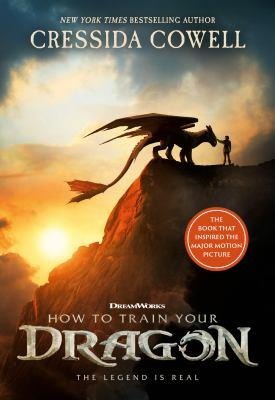
How to Train Your Dragon
Author: Cressida Cowell
Publisher: Little, Brown and Company, 2025
Call No.: J COW
Available as a physical book, eBook, and audiobook.
Hiccup Horrendous Haddock the Third is not a Viking hero. But when he gets a tiny garden dragon named Toothless, he must learn how to train his dragon and become a hero!
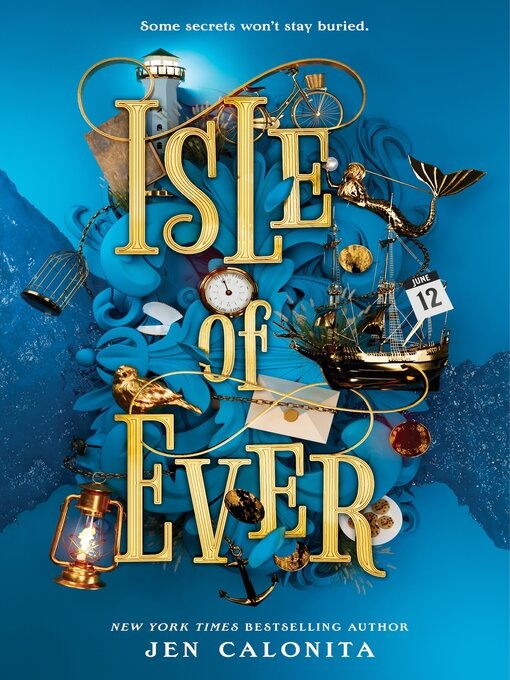
Isle of Ever
Author: Jen Calonita
Publisher: Soucebooks, 2025
Call No.: J CAL
Available as a physical book and eBook.
Everly Benedict, known as Benny to her friends and family, has spent most of her life moving around with her mother as they make ends meet. One day, a mysterious man tells her that she has a huge inheritance left to her by her great-great-great-great-great-grandmother, Evelyn Terry. There is just one catch – Benny only has two weeks to find an island no one has been able to find. Following clues left by Evelyn Terry, Benny needs all her wits about her to find this island to secure her inheritance…otherwise, she will never get another chance again.
The book covers are the copyright of their respective publishing companies.
References
Cha, F. (2014, February 3). Love Maps? 7 Things Even Map and Atlas Fans May Not Know, CNN Travel. edition.cnn.com/travel/article/maps-daniel-crouch
Howell, I. (2025). Introduction to Maps. Cherry Lake Press.
Kelly, J. (n.d.). How to Draw Fantasy Maps, James T. Kelly. jamestkelly.com/how-to-draw-fantasy-maps/
National Geographic Society. (2025, April 15). Here Be Dragons, National Geographic. education.nationalgeographic.org/resource/here-be-dragons/
Rutledge, K. et al.. (2023, October 19). Atlas, National Geographic. education.nationalgeographic.org/resource/atlas/
Sabljak, E. (2023, June 4). The Scottish Island that Inspired How to Train Your Dragon, The Herald. www.heraldscotland.com/news/homenews/23566192.scottish-island-inspired-train-dragon/