Let's Learn More About Art
Preschoolers
by LearnX Arts
Let’s Learn More about Art!
Check out our enriching and engaging learning packages to learn more about the wonderful world of Arts, be it in crafts, performing arts, developing an appreciation of the arts and many more!
The packages below are suitable for 3 – 6 years old.
.png)
In recent years, dance and movement has revealed to be central to a young child’s development (Deans, 2016). Playful body-based learning through the modality of dance enhances a child’s playful mind, encourages imaginative problem-solving and builds a sense of confidence and autonomy. Additionally, dancing enhances a child’s gross motor skills by helping them coordinate different parts of their body as they move.
For 0 to 3 Year Olds
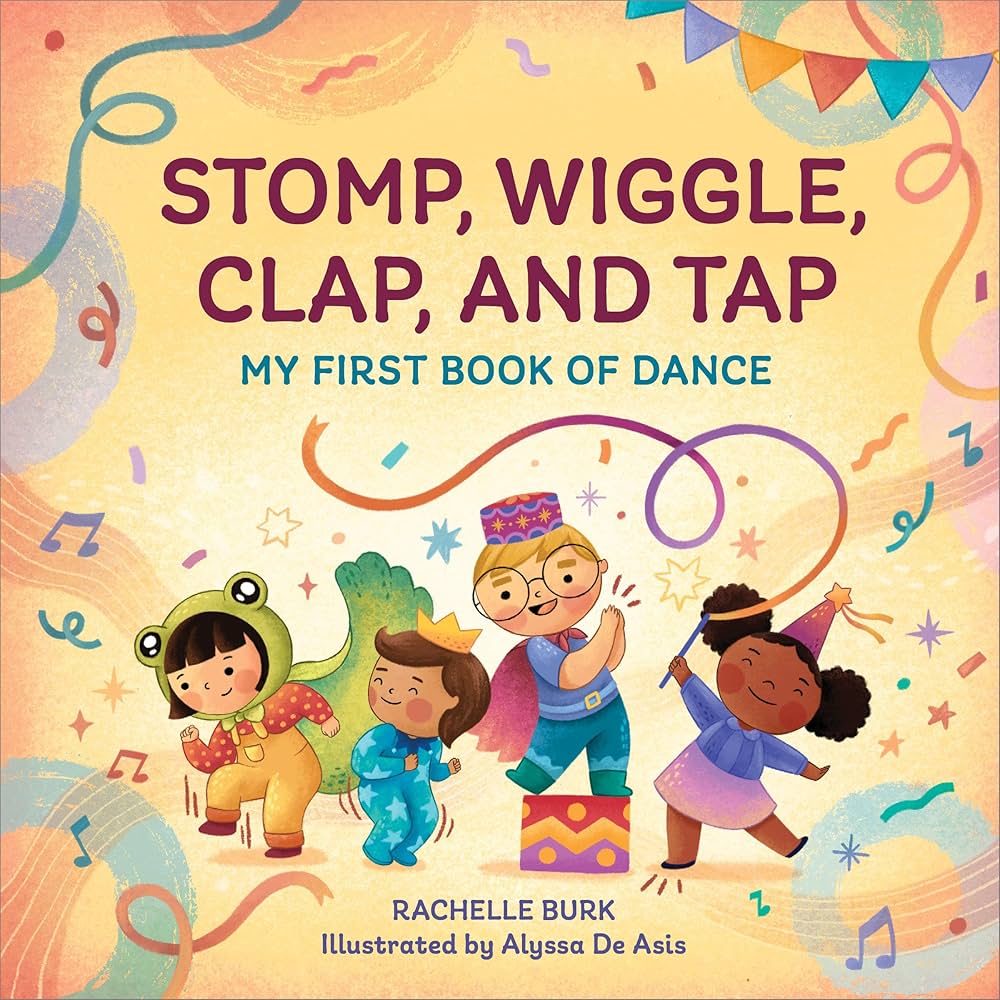
Stomp, Wiggle, Clap and Tap
By: Rachelle Burk & Alyssa De Asi
Publisher: Naperville, Illinois: Callisto Publishing, 2024
Section: Early Literacy Emergent Readers
Call No.: English 792.8 BUR
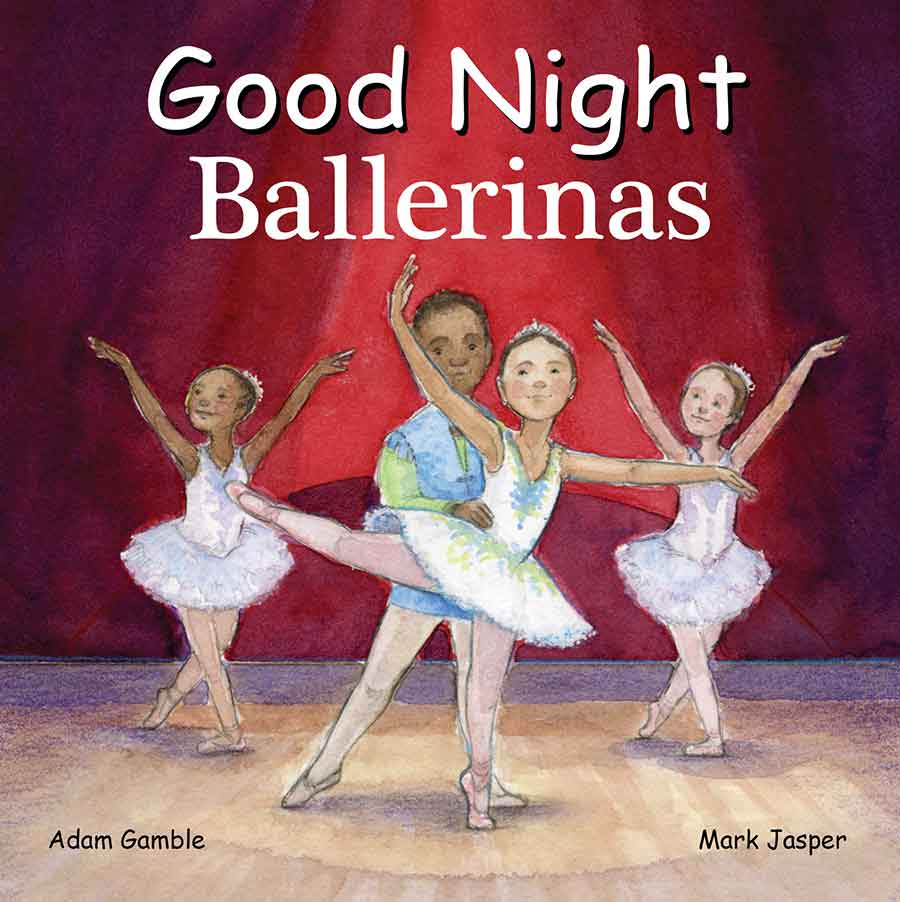
Good Night Ballerinas
By:Adam Gamble, Mark Jasper & Katherine Blackmore
Publisher: Sandwich, Massachusetts: Good Night Books, 2024
Section: Early Literacy Emergent Readers
Call No.: English 792.8 GAM
For 4 to 6 Year Olds
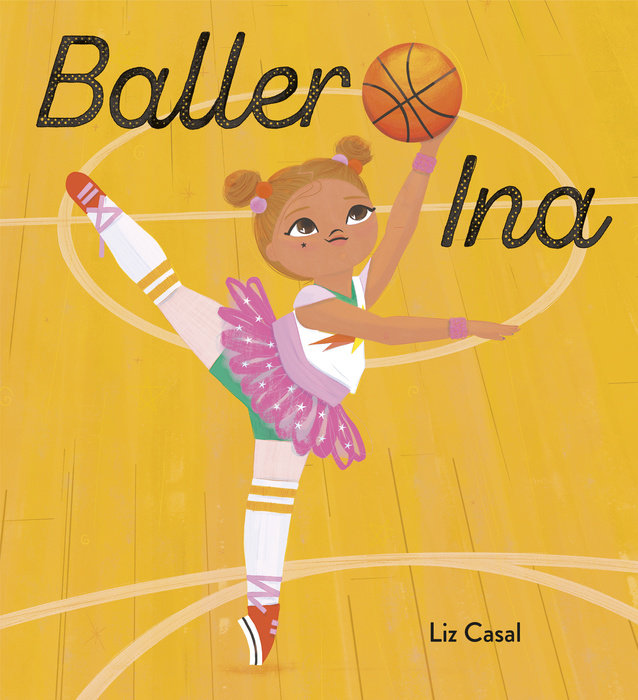
Baller Ina
By:Liz Casal
Publisher: New York: Alfred A. Knopf, 2023
Section: Early Literacy Picture Book
Call No.:English CAS
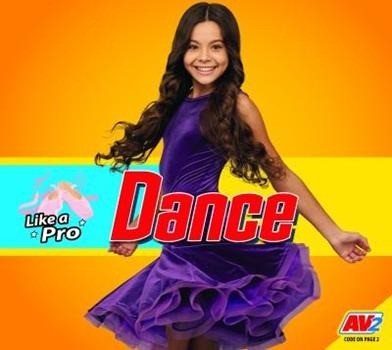
Dance
By:Yolanda Ridge
Publisher: New York: Lightbox Learning Inc., 2025
Section: EEarly Literacy Picture Books / Non-Fiction
Call No.:English 792.8 RID
Go! Slow! Stop!
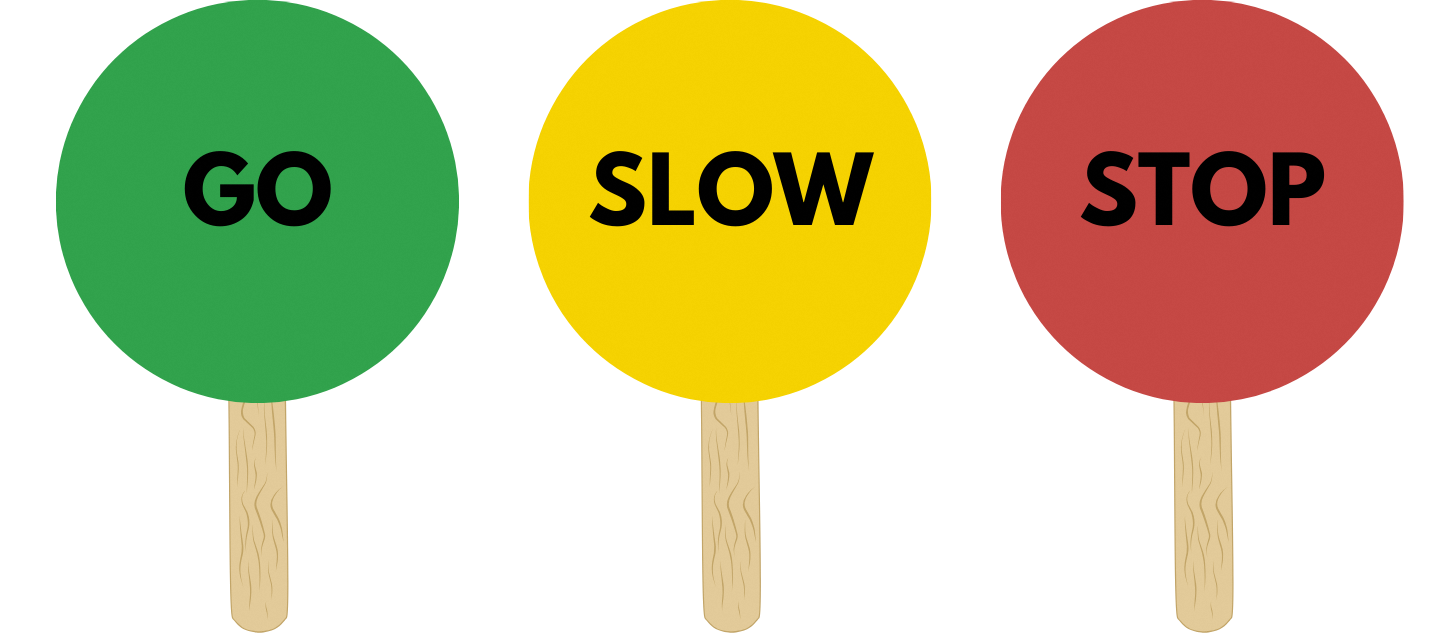
Introduce a sense of pacing and rhythm through a fun dance party with a twist! Using red, yellow and green construction paper, prepare one circular cut-out from each sheet of paper. Write “Stop!”, “Slow!”, “Go!” on the red, yellow and green construction paper cutouts respectively. You may also paste each cutout on an ice-cream stick to make the signs.
Explain to your child that green means to dance freely, yellow means to dance in slow motion and to stop dancing when red appears. When you have picked out a few upbeat songs to dance to, turn up the music and get dancing! Have your child follow along with the signs as they wiggle around, slow down or freeze!

The goal is to foster a love for dance and movement, rather than pushing for perfection.
- Encourage free movement at home by allowing your child to freely dance at home in a safe space. Play music and let them express themselves without any rules or structure. Moving freely helps children develop their gross motor skills, such as balance, coordination, and spatial awareness.
- Play different types of music (e.g. pop, classical music, cultural music etc.) to expose your child to various rhythms and dance styles. This helps them to find what they enjoy and broadens their experience of movement and music. Learning various dance styles helps them become more flexible in their movements and better at adjusting to different rhythms and techniques.
Star Dance Center. (2020, March 20). Miss Erin's Magical Dance Class [Video]. YouTube. https://www.youtube.com/watch?v=nGHFlCeJNso
YouDance. (2021, April 21). For KIDS - learn about HIP HOP *Follow Along* | YouDance.com [Video]. YouTube. https://www.youtube.com/watch?v=XMqYjYH6z6w
References:
- Deans, J. (2016). Thinking, Feeling and Relating: Young Children Learning through Dance. Australasian Journal of Early Childhood, 41(3), 46-57. https://doi.org/10.1177/183693911604100307
- Regalo Baby. (2020). 3 Gross Motor Activities For Toddlers Who Like to Move. Regalo Baby. https://regalo-baby.com/blogs/news/3-gross-motor-activities-toddlers-like-move
- McKinney, J. A., & Goss, S. E. (2017). The effects of dance and movement on motor skill development in early childhood. Developmental Medicine & Child Neurology, 59(5), 459-466. https://doi.org/10.1111/dmcn.13452
-
Mask-Making Magic
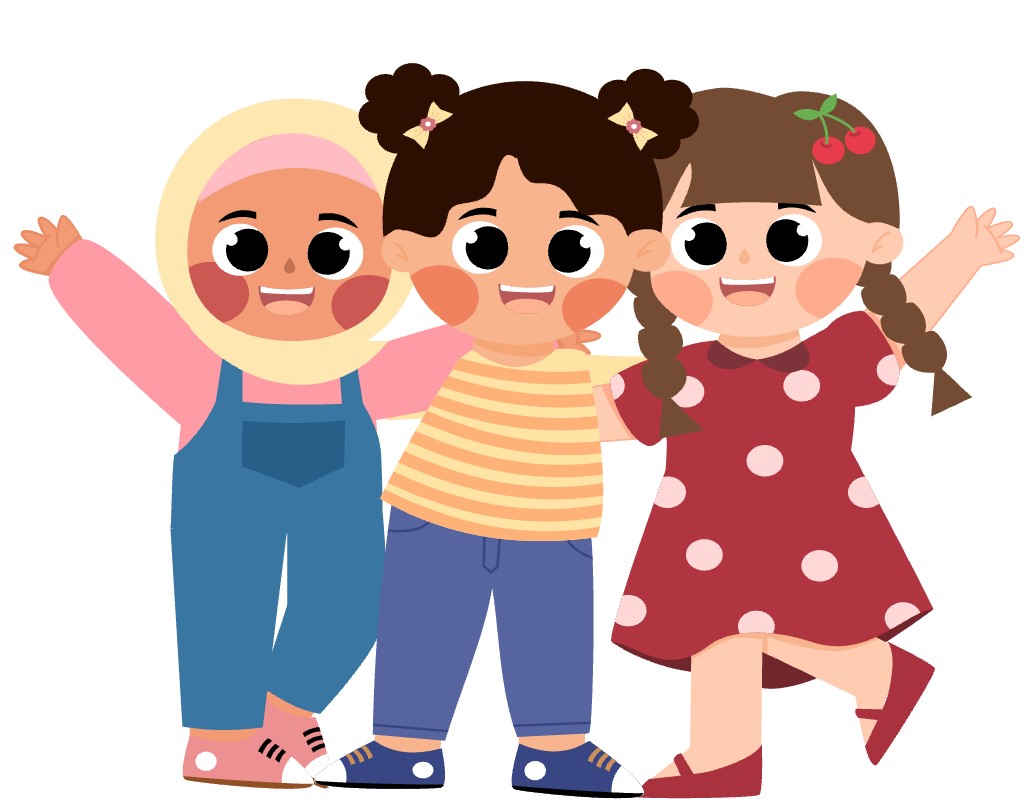
Mask-making has a rich and diverse history, spanning various cultures and civilizations, each with its own distinct traditions. These masks are often used in traditional theater or cultural ceremonies to represent characters from folklore or historical figures. For young children, mask-making encourages creativity as they design and decorate their own unique masks, prompting them to think imaginatively and make artistic choices. Using these masks, children can engage in imaginative play, taking on different roles and characters to act out scenes and stories—an activity that fosters creativity, social skills, and emotional development.

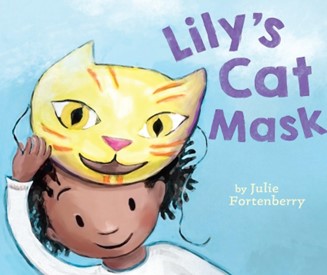
Lily's Cat Mask
By Julie Fortenberry
Publisher: New York, New York: Viking, 2017.
Section: Early Literacy Picture Books
Call No.: English FOR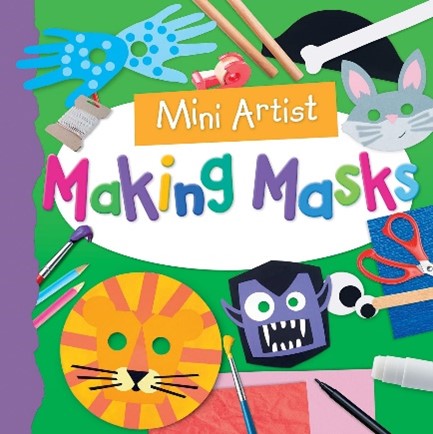
Making Masks
By Toby Reynolds
Publisher: The Rosen Publishing Group, Inc
NLB Overdrive Link: https://nlb.overdrive.com/library/kids/media/3602260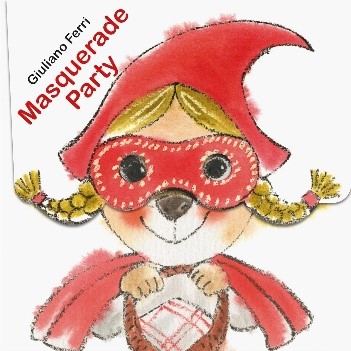
Masquerade Party
By Giuliano Feri
Publisher: Hong Kong: Minedition, 2020
Section: Early Literacy Sense & Sensations
Call No.: English FER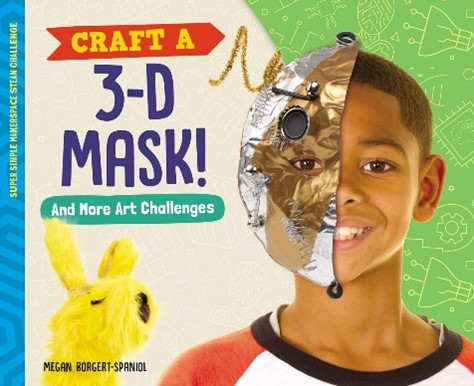
Craft A 3-D Mask!: And More Art Challenges
By Megan Borgert-Spaniol
Publisher: Minneapolis, Minnesota: Super Sandcastle, an imprint of Abdo Publishing, 2021
Section: Junior Collection Non-Fiction
Call No.: English 745.5 BOR
Making mask-making fun for children involves adding an element of enjoyment and creativity to the activity.
Here are several ways to make mask-making more enjoyable:
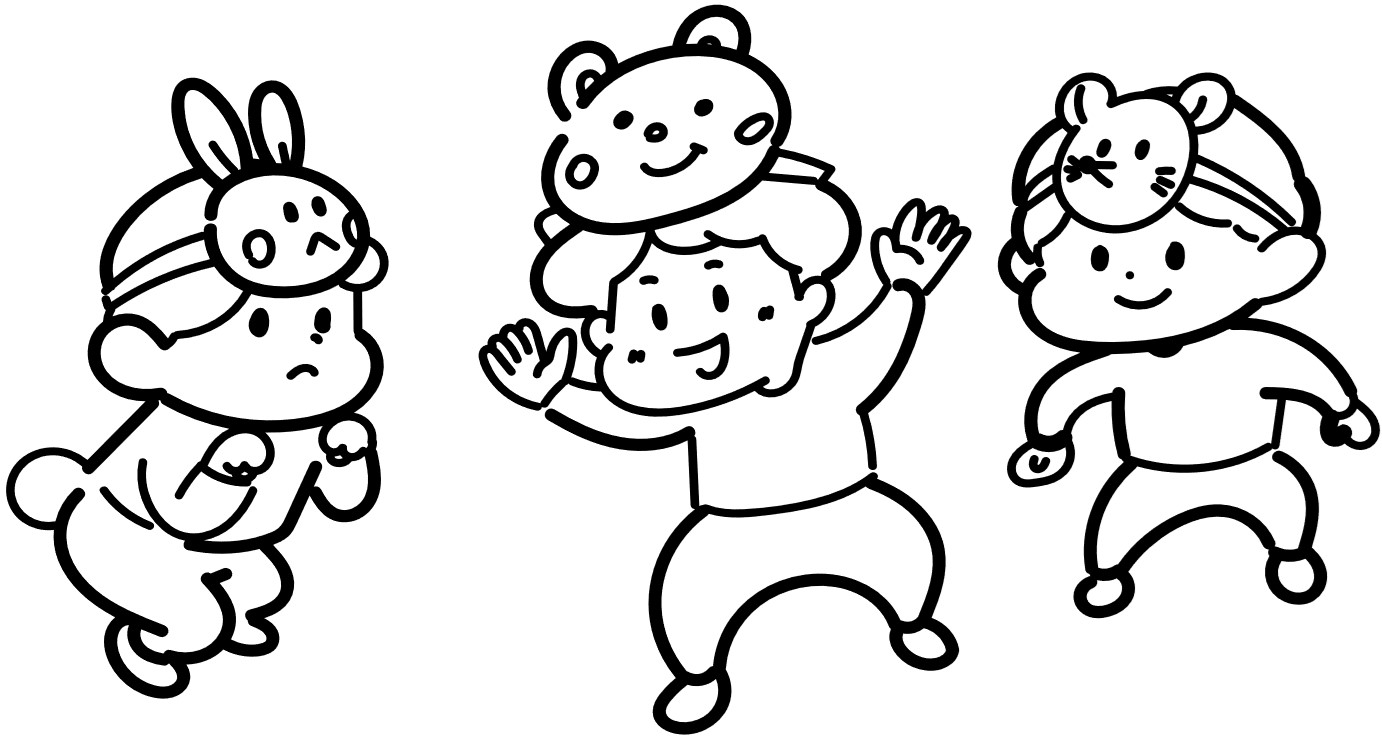
- Select themes that resonate with children's interests, such as animals, superheroes, fantasy creatures, or favorite storybook characters. This can make the activity more engaging and personalised.
- Encourage children to add personal touches to their masks, such as their favorite colors or unique designs.
- Incorporate music and movement, encouraging children to move and dance both while creating and wearing their masks.
- Provide a variety of colorful construction paper, markers, stickers, feathers, sequins, and other decorative items to decorate the masks. Consider using recycled items wherever possible! Children can unleash their creativity with a wide range of materials.

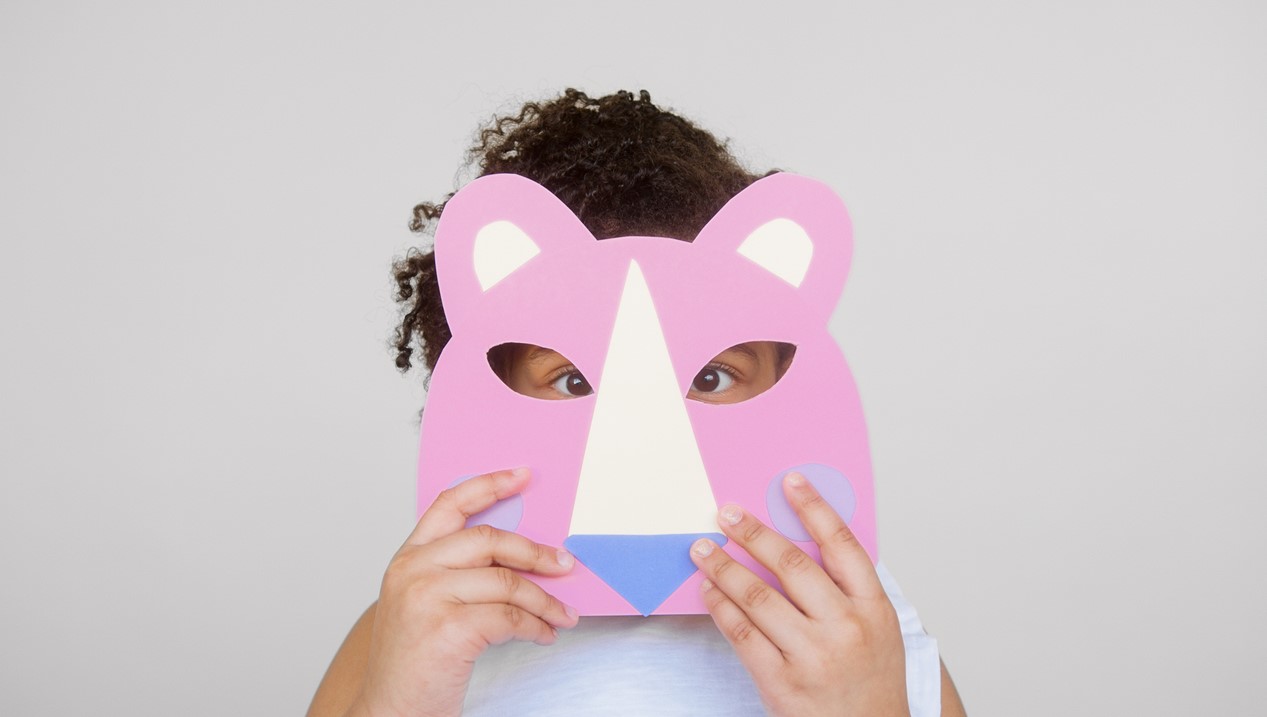
- Break down the mask-making process into simple and interactive steps. Demonstrate each step before letting the children try it themselves, offering assistance only when needed.
- Discuss the emotions or facial expressions they want to portray with their masks. This can be a great opportunity for them to express themselves.
- Every child's mask will be unique! Encourage them to embrace their individuality and creativity.

Paper Plate Animal Masks For Kids
Video duration: 1:10
abbEASY. (2020, October 23). Paper plate animal masks for kids [Video file]. Retrieved from https://www.youtube.com/watch?v=zIkQi-_mOGk
UNICORN | Mask Paper Craft | Fast-n-Easy | DIY Labs
Video duration: 1:12
DIY Labs I Crafts, Food Art, Life Hacks & more. (2019, May 30). UNICORN | Mask Paper Craft | Fast-n-Easy | DIY Labs [Video file]. Retrieved from https://www.youtube.com/watch?v=DC2F-CKg8D4
Paper Plate Mask -- Easy Kids Craft with Recyclable Materials
Video duration: 0:32
Kids Activities. (2015, August 11). Paper Plate Mask -- Easy Kids Craft with Recyclable Materials [Video file]. Retrieved from https://www.youtube.com/watch?v=vtBSMRga6Ts
References:
-
Falk, D. (2018, June 24). Making Cardboard Masks with Kids. Retrieved from https://artfulparent.com/making-cardboard-masks-kids/
-
Van, F. (2018, June 5). Masking Your Child’s Imagination - Fun Van supported by First Things First. Fun Van Supported by First Things First. https://www.ajpl.org/funvan/2018/06/masking-your-childs-imagination/
-
Educator. (2018, October 18). The benefits of using masks in the classroom. The Educator K/12. https://www.theeducatoronline.com/k12/news/the-benefits-of-using-masks-in-the-classroom/256321
-
Growing Through the Arts

Art is important for early childhood development as they foster creativity, enhance cognitive abilities, promote emotional expression, and encourage fine motor skills. Engaging in artistic activities can help children develop critical thinking, problem-solving skills, and social-emotional intelligence.
For 0 to 3-year-olds

Colour Gallery
By: Isabel Otter & Sophie Ledesma
Publisher: London: Little Tiger, 2023
Section: Early Literacy Concepts
Call No.: English OTT
Let’s Make Music
By: Alexandra Penfold & Suzanne Kaufman
Publisher: New York: Random House Children's Books, 2024
Section: Early Literacy Poetry & Rhymes
Call No.: English PENFor 4 to 6-year-olds

Brian the Dancing Lion
By: Tom Tinn-Disbury
Publisher: North Mankato, Minnesota: Capstone Editions, an imprint of Capstone, 2022
Section: Early Literacy Picture Books
Call No.: English TIN
Benford Draws a Blank
By: Danielle Dufayet & Katia Klein
Publisher: North Mankato, Minnesota: Capstone Editions, an imprint of Capstone, 2023
Section: Early Literacy Picture Books
Call No.: English DUFFun with Playdough
Playdough is a great sensory toy that sparks creativity in young children. As your child pokes, rolls, and shapes the playdough, their hand muscles strengthen, developing their fine motor skills. You can enhance their play by providing items such as cookie cutters, plastic cutlery, and old rubber stamps for cutting shapes and making imprints on the playdough. Using different tools to manipulate the dough also aids in your child’s hand-eye coordination.
Playdough can be found easily in many children’s toystores. Alternatively, you can make some at home! Try this simple salt-free playdough recipe with your little one.
Ingredients
2 cups of flour
½ cup of water
3 tbsp of oil
Food colouringDirections
1. Mix the flour, water, and oil into a bowl.
2. Knead in food colouring.
Encourage your child to choose their own colours for their playdough. Be sure to wear an apron and a pair of gloves as food colouring stains easily!Crafty Music Shakers
Listening to a cheerful song can instantly boost your energy, and it is no different for children! Music has a profound effect on our emotions. Upbeat tunes can enhance happiness, while relaxing melodies can soothe the mood. Music is also a great way to get your child moving! Dancing helps develop gross motor skills, and playing with instruments like shakers and maracas enhances fine motor skills. Moreover, the repetition of words and rhythms in music strengthens memory skills.
Create your own paper plate shaker with your child! Grab a paper plate and fold it in half. Seal the edges with some tape, making sure to leave an opening at the top of about 5cm. Fill the pocket with some dried beans or rice grains, and seal the opening with more tape. Have your child decorate the shaker with drawing materials such as markers and crayons. Put on your child’s favourite nursery rhyme and shake along to the beat!
-
Be encouraging towards your little artist! When drawing together, express interest in your child’s artwork and ask your child open-ended questions like “Why did you choose these colours?” or “How did you feel when drawing this?”. This helps to expand their creativity and imagination.
-
Read picture books with different art styles and illustration mediums, such as collage, watercolour, or photography. By exposing your child to different artforms, they can develop a deeper appreciation for diversity while also encouraging curiosity.
Playlist: Move It and Groove It!
How Art Benefits Children
Video duration: 5:56
An artist educator presents the benefits of art to children's minds, bodies and emotions.Why Music Is Important for Early Childhood Development
Video duration: 4:58
Listening/playing music and singing are more than just enjoyable activities, these activities are helping to shape a baby - their mind, body and the way they see the world. The video shares about the top five benefits of music and singing for early childhood development.
References:
-
The benefits of playdough in early learning and childcare. https://try.discoverchildcare.co.nz/2023/02/the-benefits-of-playdough-in-early-learning-and-childcare/
-
Effects of Music on Child Development: 9 positive effects. (n.d.). Children Central. https://childrencentral.net/what-are-the-effects-of-music-on-child-development/
-
The many benefits of music. (n.d.). Early Childhood Education and Care. https://earlychildhood.qld.gov.au/early-years/early-learning-at-home/encourage/the-many-benefits-of-music
-
Mason, B. (2023, May 15). How parents can teach art literacy at home. Golden Road Arts. https://www.goldenroadarts.org/art-resources/how-parents-can-teach-art-literacy/
-
Sciopic. (2016, February 27). How art benefits children [Video]. YouTube. https://www.youtube.com/watch?v=FraV5xQiKfs
-
- Divya -. (2019, May 16). Why music is important for early childhood development [Video]. YouTube. https://www.youtube.com/watch?v=E8ww__gVTA0
-